Free · No signup · Nothing uploaded
Free AI face analysis,
by the numbers.
Symmetry, golden ratio, face shape, eye shape and an attractiveness score — from one selfie, with the measurement behind every number shown. The model runs inside this tab, so your photo is never uploaded and never stored.
- 478
- landmarks read per photo
- 0
- bytes of your photo sent
- 18
- free measurement tools
Start with your face shape, eyes, nose or lips
Each cluster has a test at the top and a page for every named type underneath, with the measurement that separates it from its neighbours.
Face shape7 shapes
Oval, round, square, heart, oblong, diamond and triangle — separated by three ratios, not by eye.
Eye shape10 types
Lid space, canthal tilt in degrees, aperture and spacing. Four independent axes, which is why quizzes disagree.
Nose type7 shapes
Width, length and tip ratios from the front — and the four traits only a profile photo can show.
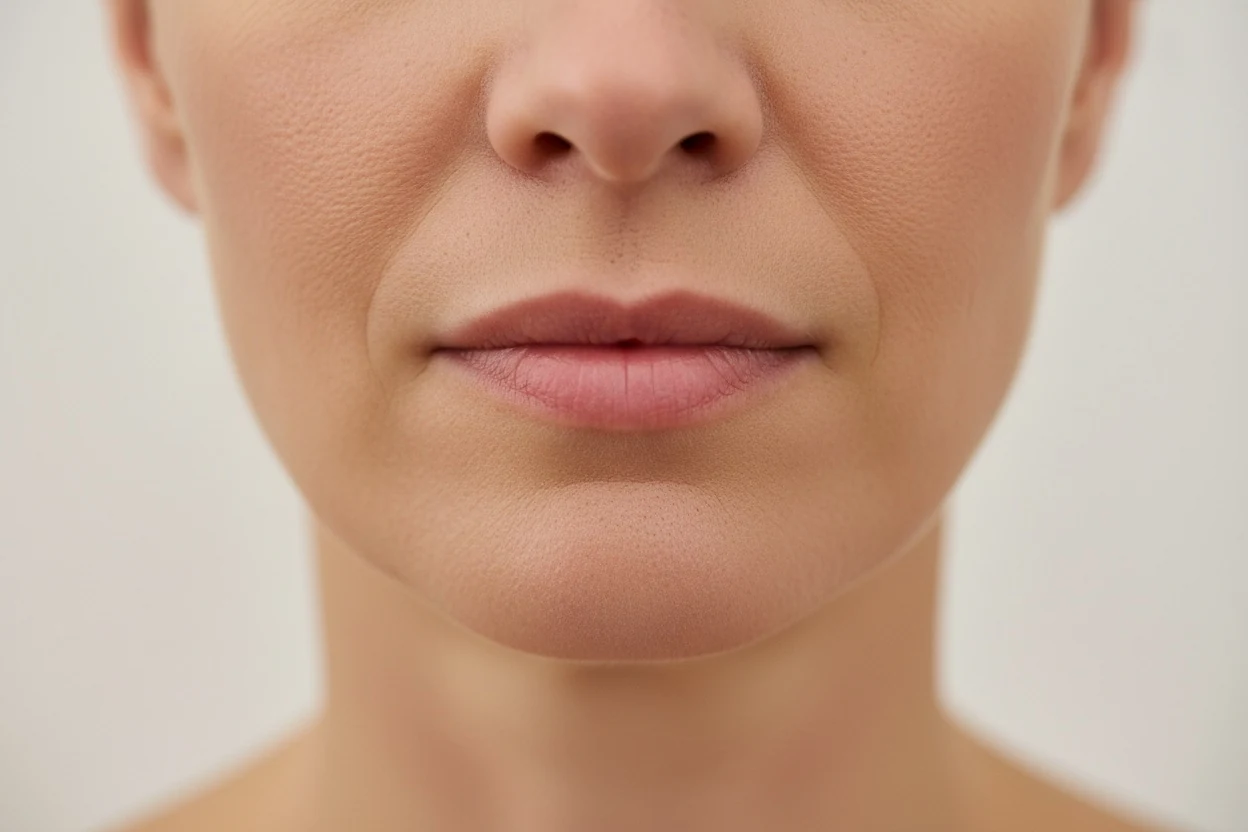
Lip shape6 types
Fullness, upper-to-lower ratio, Cupid's bow definition and corner angle, measured separately.
 Canthal tiltyour tilt in degrees, each eye separately
 Philtrumthe groove between nose and lip, as a ratio
 Pupillary distancePD in millimetres, using your iris as the ruler
- Hunter eyesthree traits scored, one that a photo cannot read
- Prey eyesthe same measurements from the other end
- PSL scalewhat the 1-10 ladder actually is
Free face analysis tools
All of them run on the same landmark pass, so you can move between them without uploading anything twice.
Eye Shape Test
Lid space, canthal tilt in degrees, aperture and spacing — all ten types.
Hunter Eyes Test
The three traits scored, and the fourth one a photo cannot read.
Pupillary Distance (PD)
Your PD in millimetres, using your iris as the ruler.
Facial Thirds Calculator
Upper, middle and lower thirds as percentages — and which one not to trust.
Nose Types
Seven shapes, and which of them a front photo can actually measure.
Philtrum
The groove between nose and lip, measured as a ratio.
Lip Shapes
Fullness, ratio, Cupid's bow and corner angle — four separate axes.
PSL Scale Test
Your measurements on the 1-10 axis, and what the scale actually is.
Canthal Tilt Test
Your tilt in degrees, each eye separately.
Face Shape Detector
Oval, round, square, heart, oblong, diamond or triangle.
Attractiveness Test
Your score out of ten, with every measurement behind it.
Symmetry Checker
Left against right across six landmark pairs.
Am I Pretty?
A measured answer instead of an opinion.
Golden Ratio Calculator
How close your proportions sit to phi (1.618).
Face Rater
A rating that shows its arithmetic.
Am I Ugly?
Measurements, and why the category is not in the data.
Eye Shape Detector
The tool-intent entry to the eye cluster.
Prey Eyes vs Hunter Eyes
The same three measurements, read from the other end.
How the face analysis works
- 1
Take or upload a straight-on photo
Face the camera at eye level, keep your expression relaxed and let the light fall evenly on both sides. A three-quarter angle changes every horizontal ratio on the page, so a turned head is the single most common reason two runs disagree.
- 2
478 landmarks are placed in your browser
MediaPipe's face mesh runs as WebAssembly on your own device and marks 478 points, including the iris ring — the only feature on a face with a known real-world size, which is what makes a millimetre reading possible at all.
- 3
Every number is shown with its input
Each result names the landmarks it came from and the threshold it was compared against. Where a front photo cannot answer — orbital depth, dorsal hump, lip projection — the page says so instead of guessing.
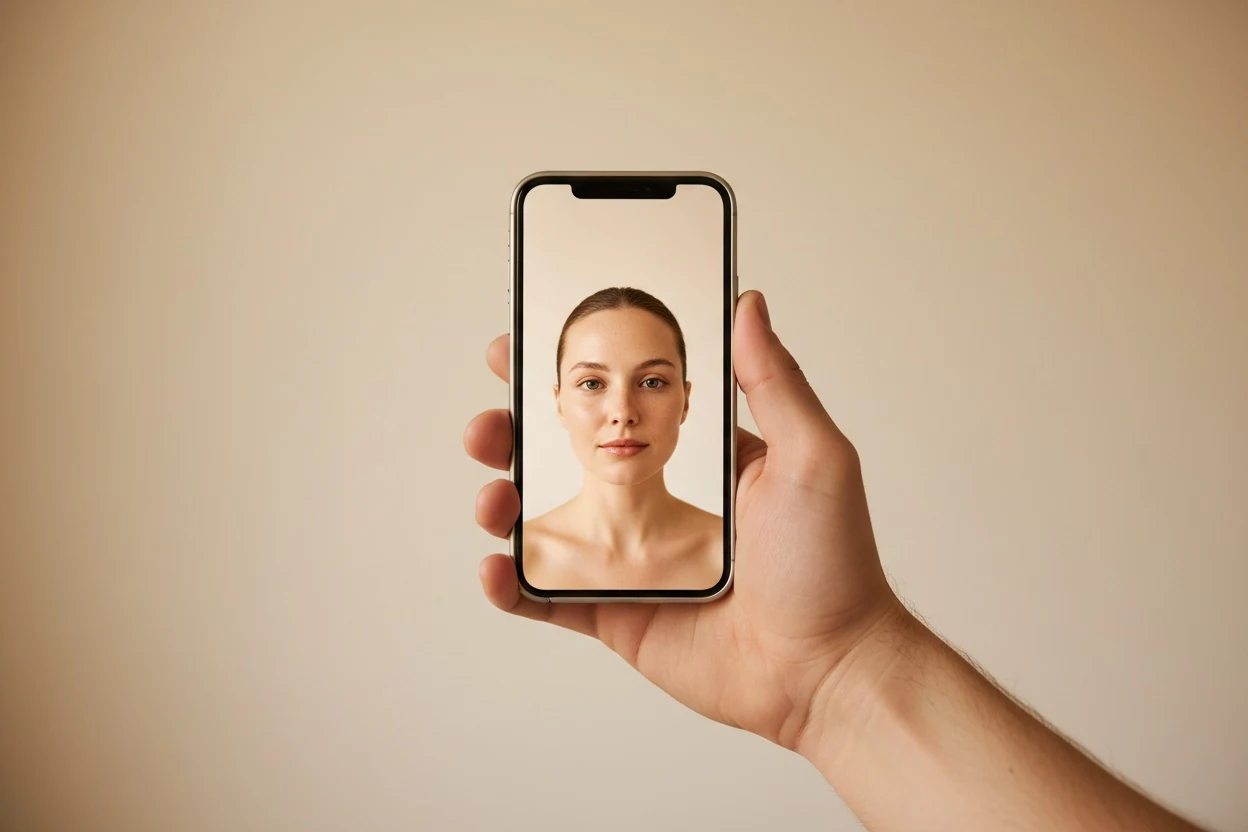
Want all five angles?
The face scan walks through front, three-quarter and profile shots, measures the front one here in your browser, and only mentions an account afterwards.
Start a face scan →Your photo never leaves your browser
Face analysis sites normally post your selfie to a server, and their privacy policy is the only thing standing between that image and a training set. Here the landmark model is downloaded to your device and the photo stays in page memory — there is no upload endpoint to trust, because there is no upload.
You do not have to take that on faith. Open developer tools, watch the Network tab, and run any test on this site: you will see the model file come down, and nothing go up.
 How the data actually flows →
What a face analysis cannot measure
A single front photo carries no depth. Every tool here names the traits it cannot see rather than filling the gap with a plausible guess — which is the part most quizzes skip.
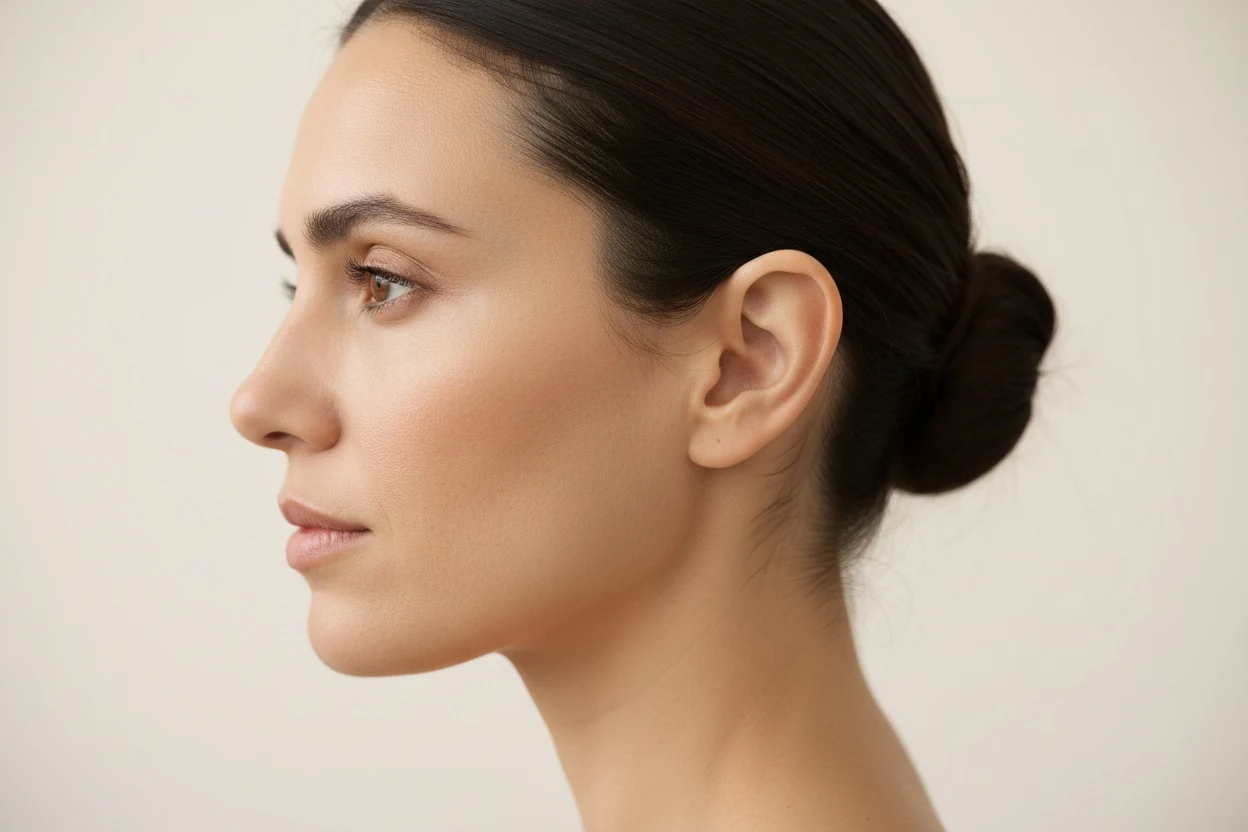
Orbital depth
Whether the eye sits deep under the brow bone, or forward in the socket. Needs a profile or angled shot.
Nose profile
Dorsal hump, bridge straightness, tip rotation and projection are all side-view traits, and four of the seven nose types turn on them.
Lip projection
How far the lips carry forward from the face. Fullness from the front and projection from the side are different measurements.
Absolute size
A photo has no scale. Only the iris — a near-constant 11.7 mm across adults — lets any millimetre figure be recovered at all.
See a procedure on your own face before you book
The measurement tools are free. If you want to see the change rather than read about it, the simulator renders your own photo with one procedure applied — 39 of them, from rhinoplasty to a lip lift. It is a visualisation, not a surgical plan.
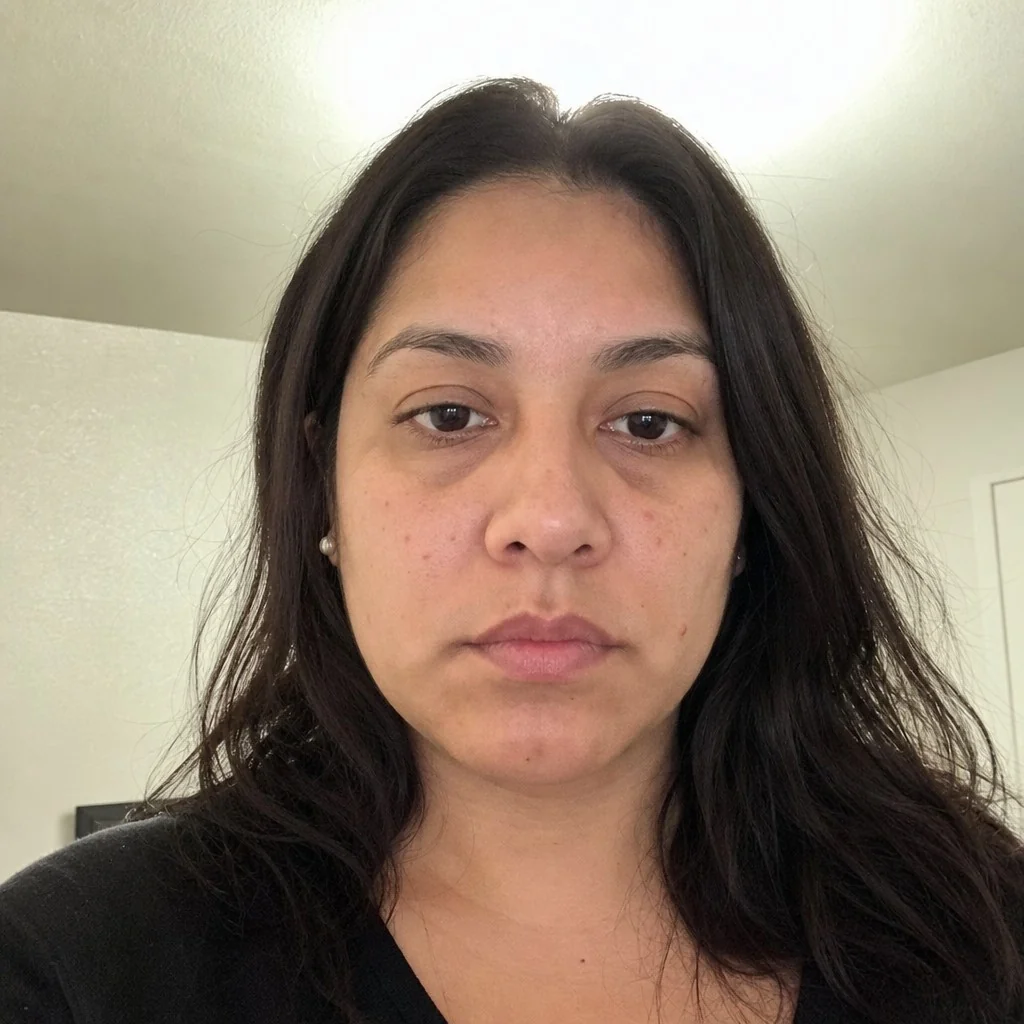
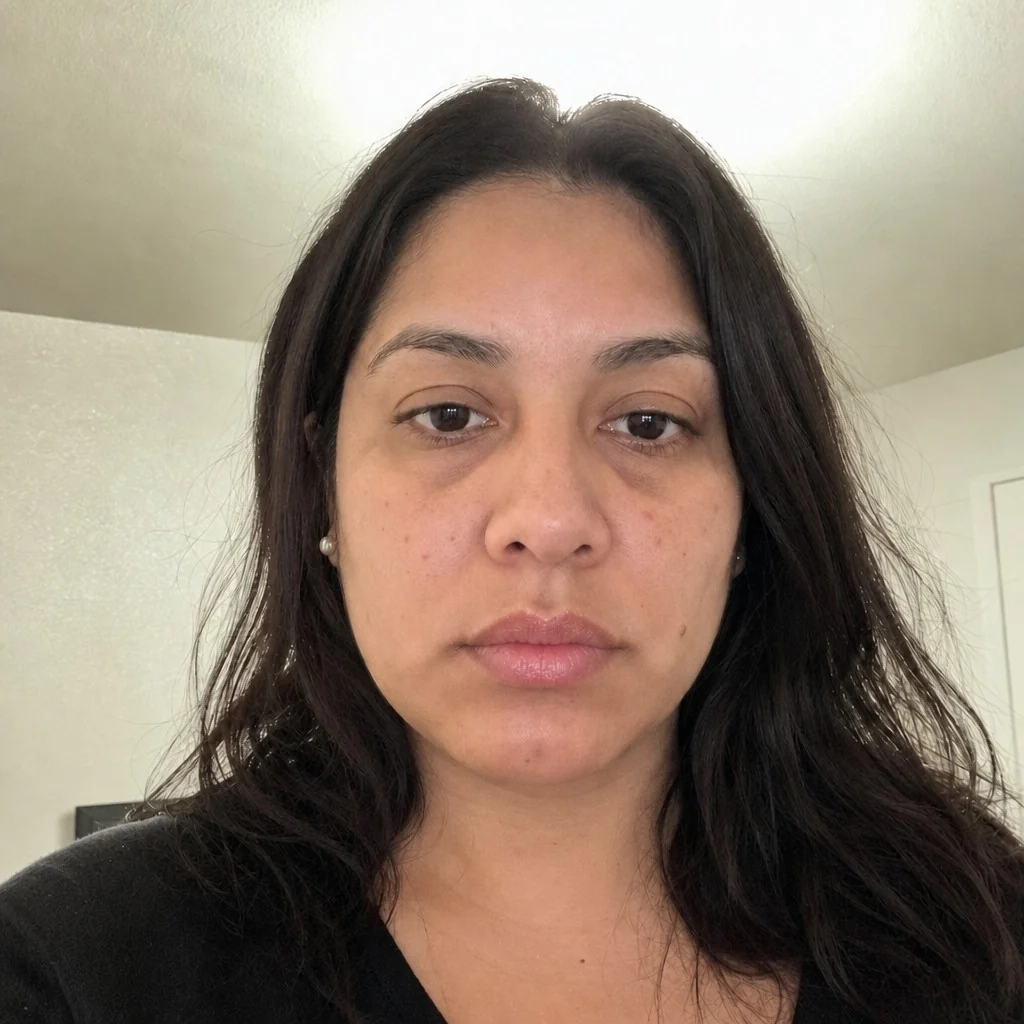
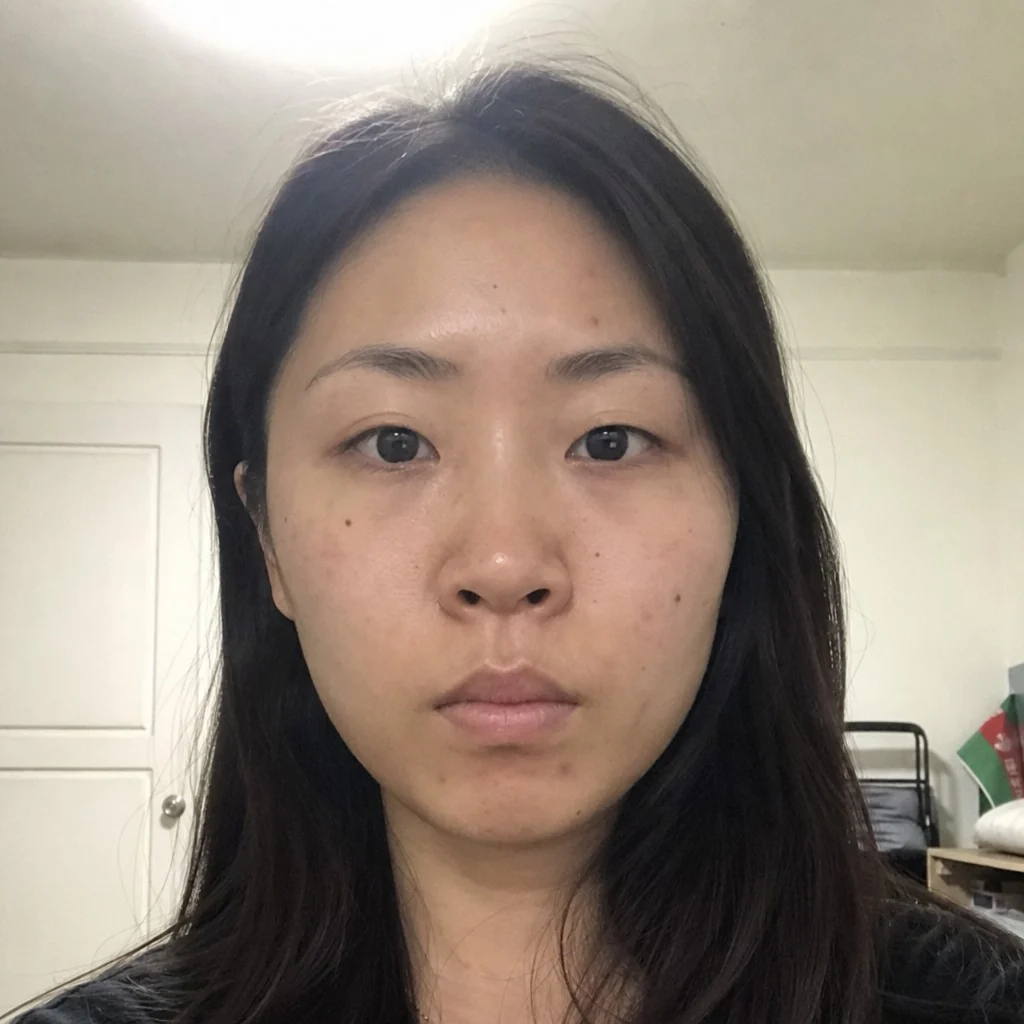
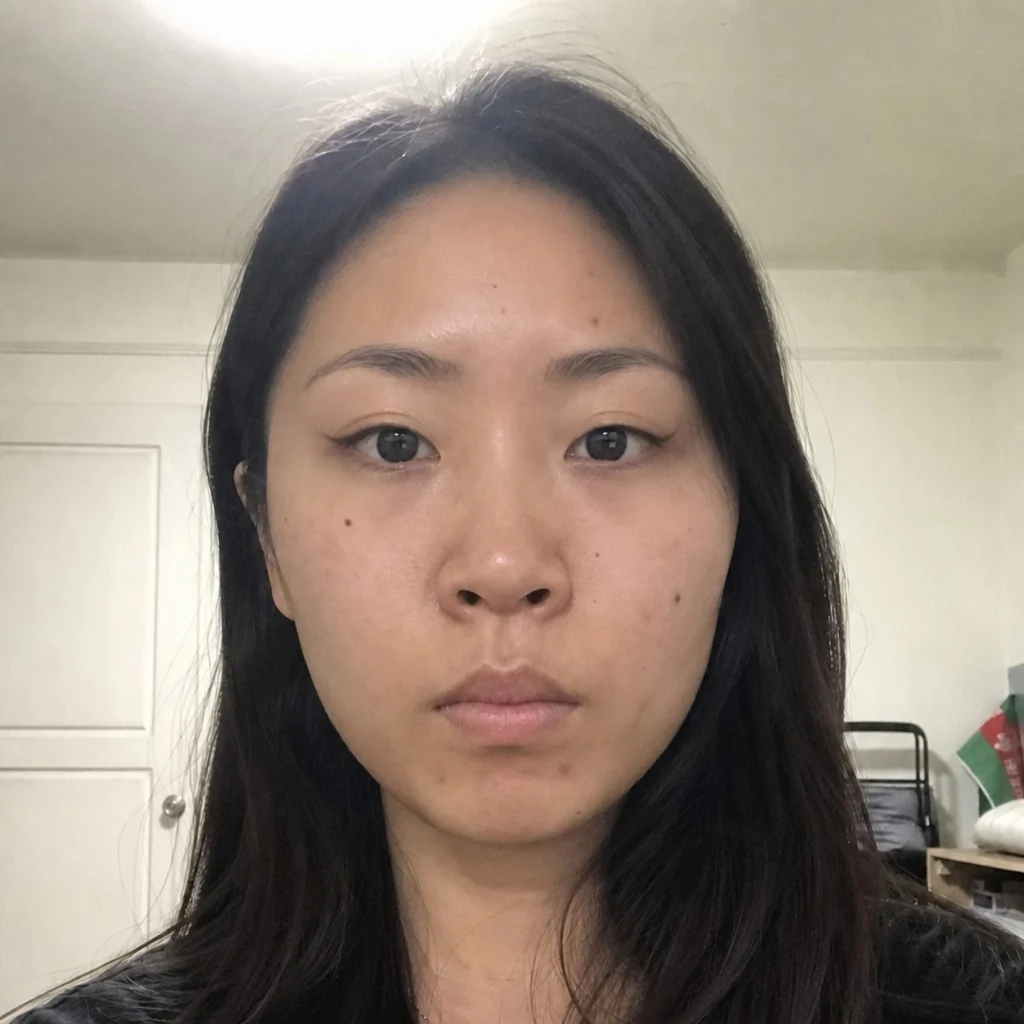
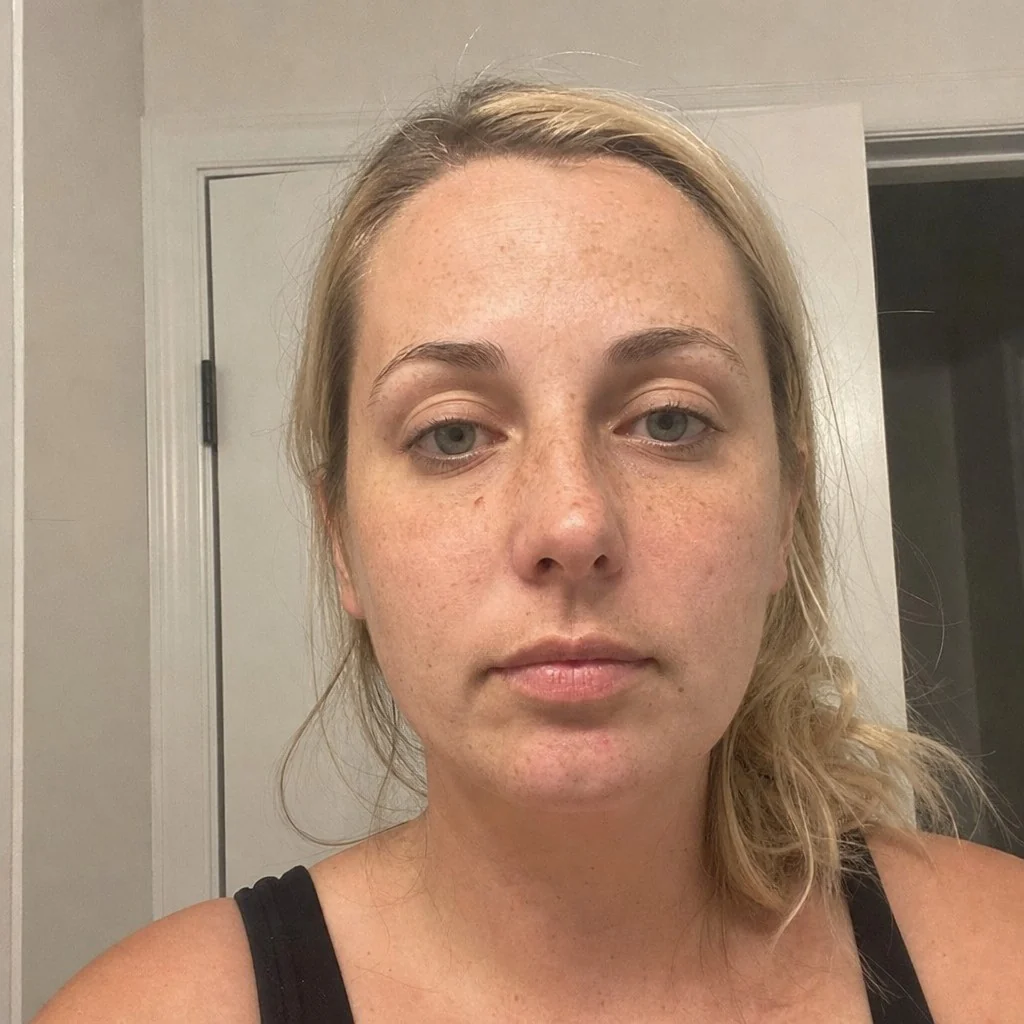
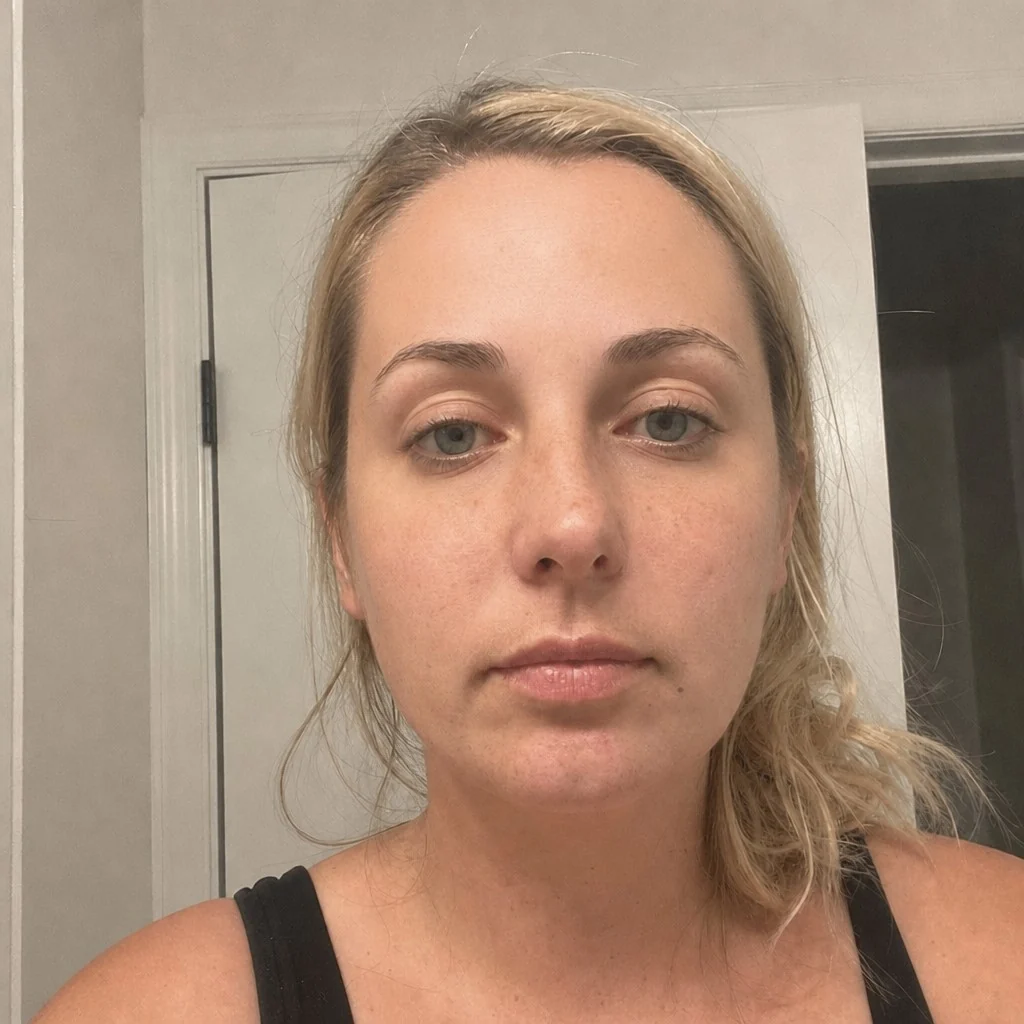
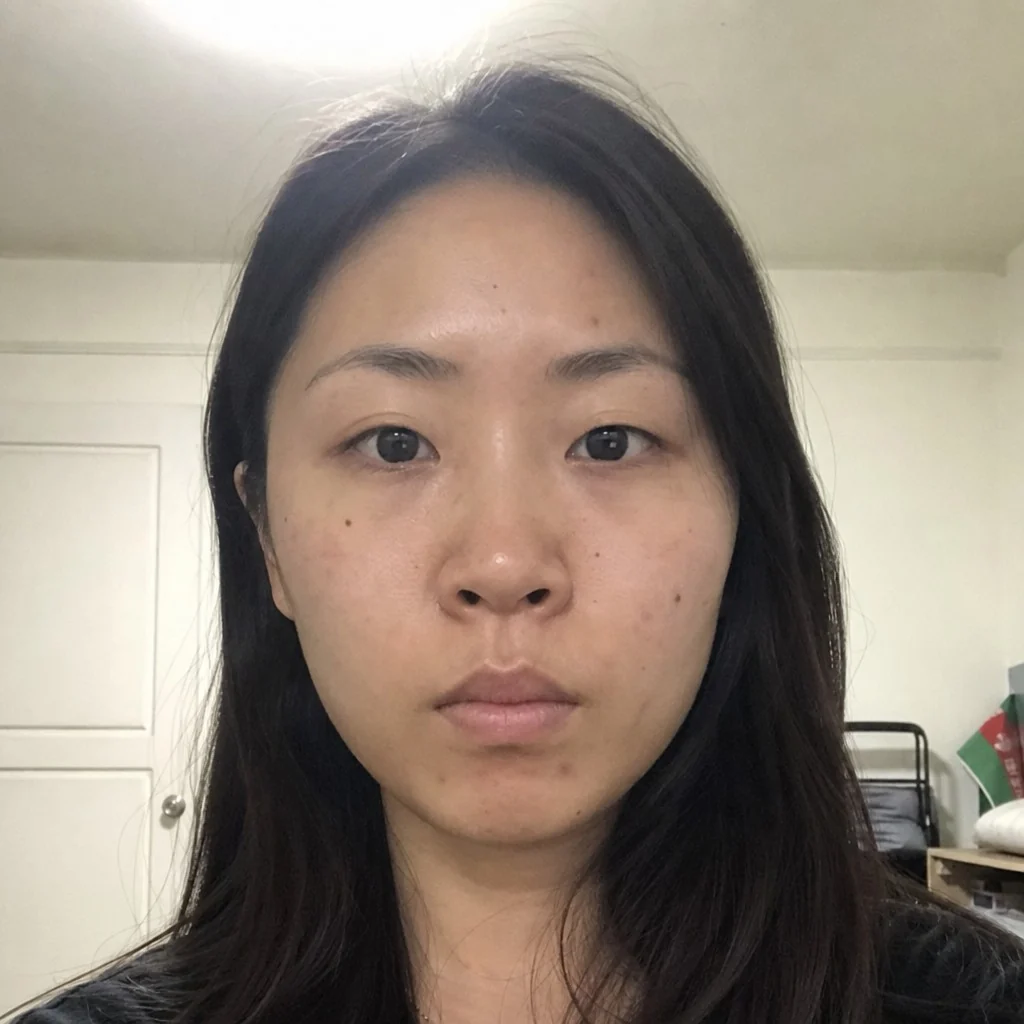
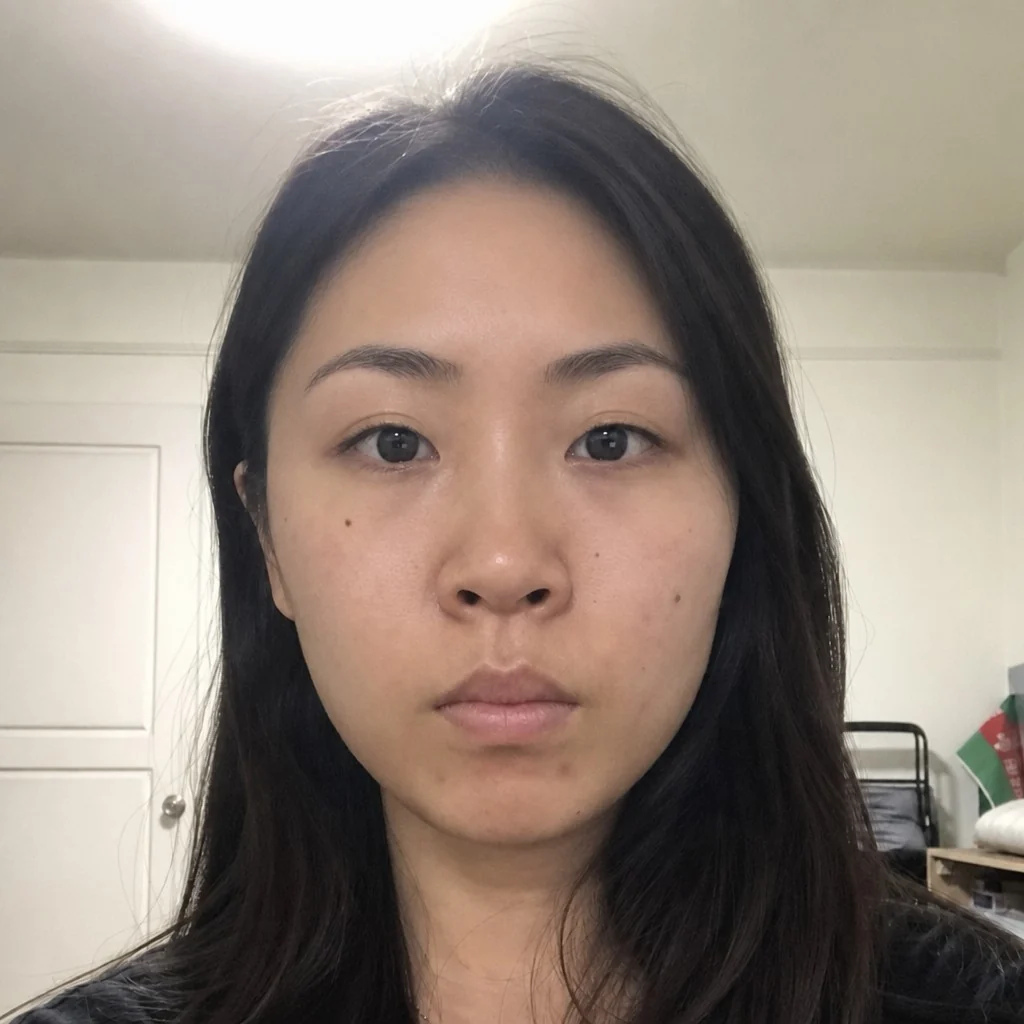
Every “after” frame above is an AI simulation, not a surgical result and not a record of anyone's outcome. They are here to show what the renderer produces before you spend anything on it.
Guides
All guides →Longer pieces on where the measurement conventions came from and what the research behind them actually says.
8 min read
Facial Proportions: The Thirds, the Fifths and What They Mean
The rule of thirds, the rule of fifths and the golden ratio explained — where each came from, what the research supports, and how to measure your own facial proportions from one photo.
7 min read
How to Know If You're Attractive: The Measurable Part
The signs listicles cannot be checked. Four things about a face can be measured, and the research says less than you would expect. Here is the difference, and how to measure yours.
8 min read
How to Be Photogenic: The Four Variables That Actually Change Your Face
Being photogenic is mostly not about your face. Lens distance, camera height, the mirror flip and light change measurable facial proportions — here is how much, and what to do about each.
Face analysis FAQ
Is this face analysis free?
Yes. Every measurement tool on the site is free and needs no account: face shape, eye shape, canthal tilt, symmetry, golden ratio, attractiveness score, nose and lip shape, philtrum and pupillary distance. Only the procedure simulations, which generate a new image of your face, are paid.
Is my photo uploaded or stored?
No. The landmark model and all arithmetic run inside your browser tab, so the image never crosses the network. You can verify it yourself: open your browser's developer tools, switch to the Network tab and run an analysis — no request carries your photo.
How accurate is AI face analysis?
The geometry is exact to within landmark noise: the same photo gives the same numbers every time, and a good photo repeats to roughly a degree of tilt and a couple of percent of any ratio. Photo angle is the real error source, not the model. Interpretation is a separate question — a ratio is a fact, and calling that ratio attractive is a convention.
What can a front photo not measure?
Anything that lives in depth. Orbital depth and whether an eyelid crease exists, the dorsal hump and tip projection of a nose, how far lips project, and chin projection all need a profile shot. Those pages state the limit rather than inventing a number.
Do I need an account to get my results?
No. Results appear immediately for anonymous visitors. Signing in is only useful if you want your simulation history and credit balance kept across devices.
Is a facial attractiveness score real science?
The measurements are real; the score is a convention built on them. Symmetry and proportion correlate with rated attractiveness in published studies, but the correlation is modest and the studies disagree on weights. Read the score as a summary of four numbers you can see, not as a verdict.
One photo, 18 measurements, nothing uploaded.
Start the free analysis